You are here: Home/All Homeowners/ The Hidden Danger in Older Canadian Homes: Asbestos
The Hidden Danger in Older Canadian Homes: Asbestos
Imagine thousands of invisible needles lurking in the walls of your home, ready to attack your lungs with every renovation project – that’s the chilling reality of asbestos in many Canadian houses. Asbestos-related diseases are responsible for more workplace deaths in Canada than any other cause. Sadly, many of these exposures occurred in people’s own homes. This blog post will delve into the era, spanning from the 1940s to the 1980s, when asbestos was a common building material in Canadian homes, exploring the reasons behind its use and the risks it now poses.
Why Was Asbestos Used?
Asbestos was hailed as a miracle material for construction due to its desirable properties. It offered unmatched fire resistance, excellent insulation against heat and sound, durability, and affordability. Furthermore, Canada’s position as a major asbestos producer made the material not only cheap but also abundantly available. These factors combined made asbestos an attractive option for builders and homeowners alike.
Where to Find Asbestos in Homes
In homes built or renovated before the 1990s, asbestos can commonly be found in:
Insulation (in attics, walls, and around pipes)
Vinyl floor tiles
Roofing materials
Cement siding and shingles
Drywall and joint compound
Textured paints and decorative coatings
The widespread use of asbestos in these materials means that many Canadian homes from this era likely contain asbestos.
The health hazards related to asbestos exposure are severe and include diseases such as asbestosis, lung cancer, and mesothelioma. The primary danger arises when asbestos-containing materials are disturbed, releasing tiny, sharp fibers into the air, which can then be inhaled.
Dealing with Asbestos in Your Home
If you suspect the presence of asbestos in your home, the first rule is: don’t panic. Avoid disturbing any materials that you think might contain asbestos. It’s crucial to consult a certified asbestos inspector for testing. If asbestos is found, professional removal or encapsulation are your safest options.
Cellulose and asbestos are two materials that have been used in building construction, but they have very different properties, sources, and health implications. Here’s a comparison:
Confusion between Cellulose and Asbestos and Composition
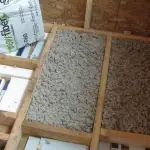
Cellulose: Derived from plant fiber, cellulose insulation is made from recycled paper products, primarily newsprint, and treated with fire retardants such as boric acid. It is a sustainable and eco-friendly material.
Asbestos: A group of naturally occurring mineral fibers found in rocks and soil. These fibers are strong, resistant to heat and chemicals, and do not conduct electricity, making them useful in a variety of applications.
Use in Construction
Cellulose: Used primarily for insulation in attics, walls, and floors. It is applied either as loose-fill or blown-in insulation and is known for its high thermal performance and sound dampening properties.
Asbestos: Historically used in a wide range of building materials for its fireproofing capabilities and durability. Common applications included insulation, roofing shingles, floor tiles, ceiling materials, cement products, and more.
Health Implications
Cellulose: Considered safe for use in homes and buildings. The main concern with cellulose insulation is the potential for dust during installation, which can be mitigated by using proper protective gear. The chemicals used to treat cellulose for fire resistance are generally regarded as non-toxic.
Asbestos: Known to pose significant health risks if asbestos fibers are inhaled. Exposure to asbestos can lead to serious lung conditions, including asbestosis, mesothelioma, and lung cancer. The health risks associated with asbestos have led to strict regulations on its use and handling.
Environmental Impact
Cellulose: Has a lower environmental impact, being made from recycled materials. Its production consumes less energy compared to fiberglass or mineral wool insulation and helps reduce waste by utilizing recycled paper.
Asbestos: Mining and processing asbestos have environmental impacts, including the disruption of natural habitats and potential release of fibers into the atmosphere. The hazardous nature of asbestos also makes its disposal a complex and regulated process.
Conclusion
The potential risks of asbestos in older homes cannot be overstated. It’s vital for homeowners, especially those with homes built between the 1940s and 1980s, to be aware of these dangers. For the safety of you and your family, learn more about asbestos and how to manage it in your home.
Important Note: Canadian laws are strict about how asbestos must be handled. If you suspect it in your home, don’t try DIY removal. Consult government websites for approved procedures and licensed professionals.
For more detailed information on the health issues related to asbestos and how to safely manage its removal or encapsulation in your home, visit Health Canada’s page on asbestos diseases and explore government sites explaining the difference between removal and encapsulation methods.
Introduction
Imagine thousands of invisible needles lurking in the walls of your home, ready to attack your lungs with every renovation project – that’s the chilling reality of asbestos in many Canadian houses. Asbestos-related diseases are responsible for more workplace deaths in Canada than any other cause. Sadly, many of these exposures occurred in people’s own homes. This blog post will delve into the era, spanning from the 1940s to the 1980s, when asbestos was a common building material in Canadian homes, exploring the reasons behind its use and the risks it now poses.
Why Was Asbestos Used?
Asbestos was hailed as a miracle material for construction due to its desirable properties. It offered unmatched fire resistance, excellent insulation against heat and sound, durability, and affordability. Furthermore, Canada’s position as a major asbestos producer made the material not only cheap but also abundantly available. These factors combined made asbestos an attractive option for builders and homeowners alike.
Where to Find Asbestos in Homes
In homes built or renovated before the 1990s, asbestos can commonly be found in:
Insulation (in attics, walls, and around pipes)
Vinyl floor tiles
Roofing materials
Cement siding and shingles
Drywall and joint compound
Textured paints and decorative coatings
The widespread use of asbestos in these materials means that many Canadian homes from this era likely contain asbestos.
Health Dangers of Asbestos
The health hazards related to asbestos exposure are severe and include diseases such as asbestosis, lung cancer, and mesothelioma. The primary danger arises when asbestos-containing materials are disturbed, releasing tiny, sharp fibers into the air, which can then be inhaled.
Dealing with Asbestos in Your Home
If you suspect the presence of asbestos in your home, the first rule is: don’t panic. Avoid disturbing any materials that you think might contain asbestos. It’s crucial to consult a certified asbestos inspector for testing. If asbestos is found, professional removal or encapsulation are your safest options.
Conclusion
The potential risks of asbestos in older homes cannot be overstated. It’s vital for homeowners, especially those with homes built between the 1940s and 1980s, to be aware of these dangers. For the safety of you and your family, learn more about asbestos and how to manage it in your home.
Important Note: Canadian laws are strict about how asbestos must be handled. If you suspect it in your home, don’t try DIY removal. Consult government websites for approved procedures and licensed professionals.
For more detailed information on the health issues related to asbestos and how to safely manage its removal or encapsulation in your home, visit Health Canada’s page on asbestos diseases and explore government sites explaining the difference between removal and encapsulation methods.





Leave a Reply